


For years, the answer was a number. Today it's more interesting than that.
For years, specialty coffee was explained with a number: 80+.
A coffee reaching 80 points or more on the traditional 100-point cupping scale was generally considered specialty coffee. That number helped create a common language for quality across the coffee industry.
But coffee is more complex than a number. And the way the industry understands quality is evolving too.
Beyond the Score
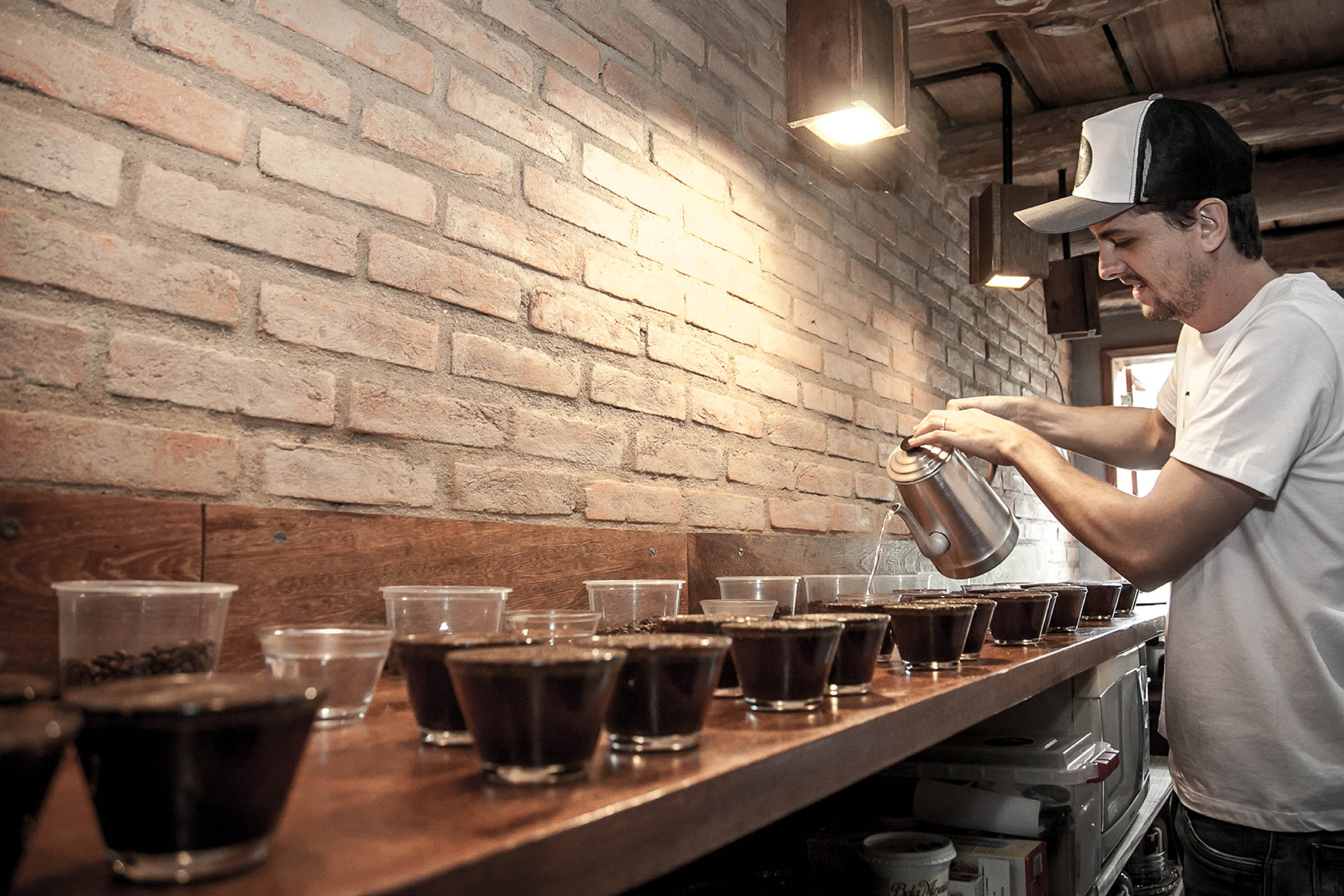
Historically, professional coffee evaluation considered sensory attributes including fragrance and aroma, flavour, aftertaste, acidity, body, balance, sweetness, uniformity, cleanliness and overall impression.
The resulting score became an easy way to communicate quality. You may still see numbers such as 84, 86 or 88 printed on specialty coffee packaging, including ours. They're useful. But they don't tell the whole story.
Today, the Specialty Coffee Association takes a broader approach to understanding coffee through its Coffee Value Assessment, considering different dimensions of a coffee rather than reducing its entire value to a single number.
Because two coffees can achieve similar scores and create completely different experiences. One might be delicate and floral. Another deep, chocolatey and comforting.
Which one is "better"? That depends partly on quality. But it also depends on the person drinking it.
It Starts Before the Roast
Quality assessment doesn't begin with tasting. Long before a coffee is roasted, green coffee is graded for physical defects — broken beans, insect damage, foreign matter, inconsistent size.
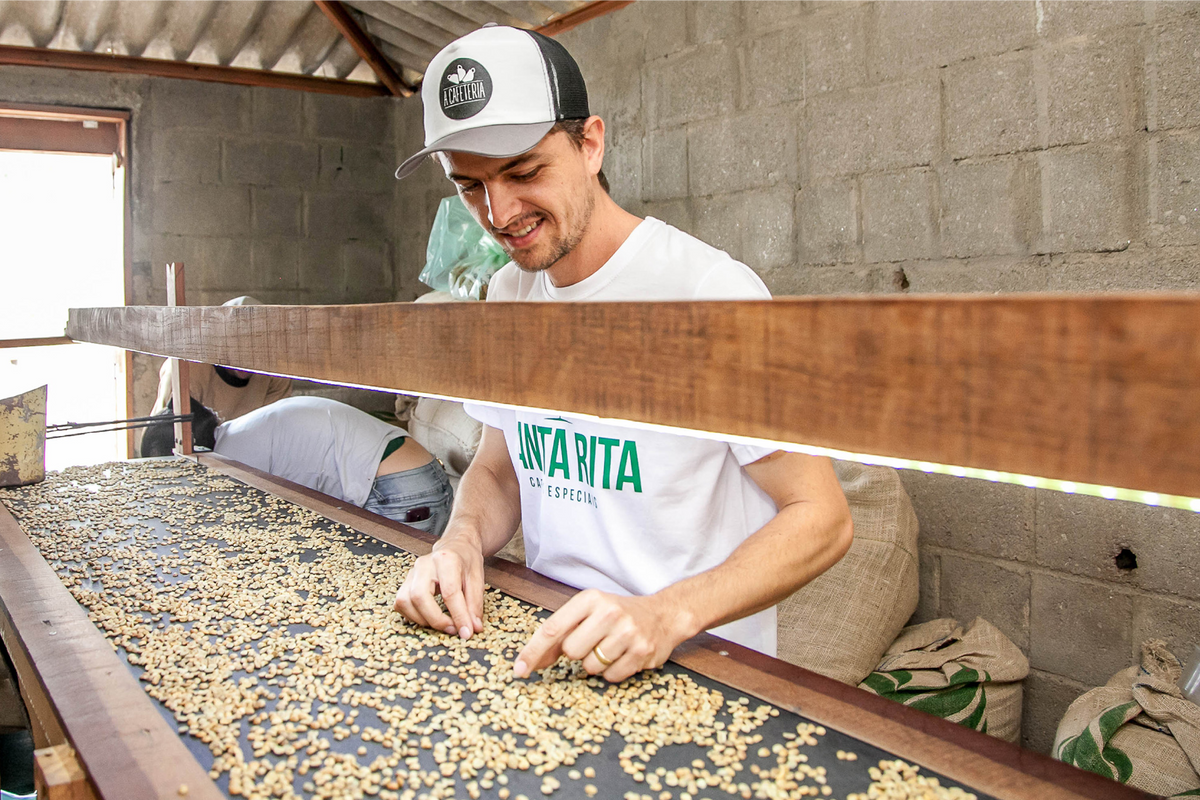
Specialty grade allows only a very small number of these. It's an unglamorous part of the process, and it happens before anyone gets to talk about jasmine or caramel. But a coffee that fails here never gets the chance to taste like anything at all.
What We Look For
At SOAK, numbers can help us understand a coffee. They don't make the decision for us.
We look for character. Sweetness. Clarity. Balance. Distinctiveness. Traceability.
And something harder to put into a scoring box: does this coffee make you want another sip?
We want a Brazilian coffee to be allowed to express what makes that particular coffee interesting. The same goes for Ethiopia, Colombia or anywhere else we source from.
We don't want every coffee to taste like SOAK. We want every coffee to taste more like itself.
From Farm to Cup
Quality isn't created at the roastery alone.
Long before coffee reaches us, decisions have already been made about variety, growing conditions, harvesting, processing, drying and storage. Then come roasting, grinding, water and brewing. Each step can reveal quality or hide it.
That's one of the things that makes specialty coffee fascinating. A cup can carry an extraordinary amount of information — about a place, a process, a harvest, and the people behind it.
Why It Costs More
Specialty coffee usually costs more than supermarket coffee, and it's worth being honest about why.
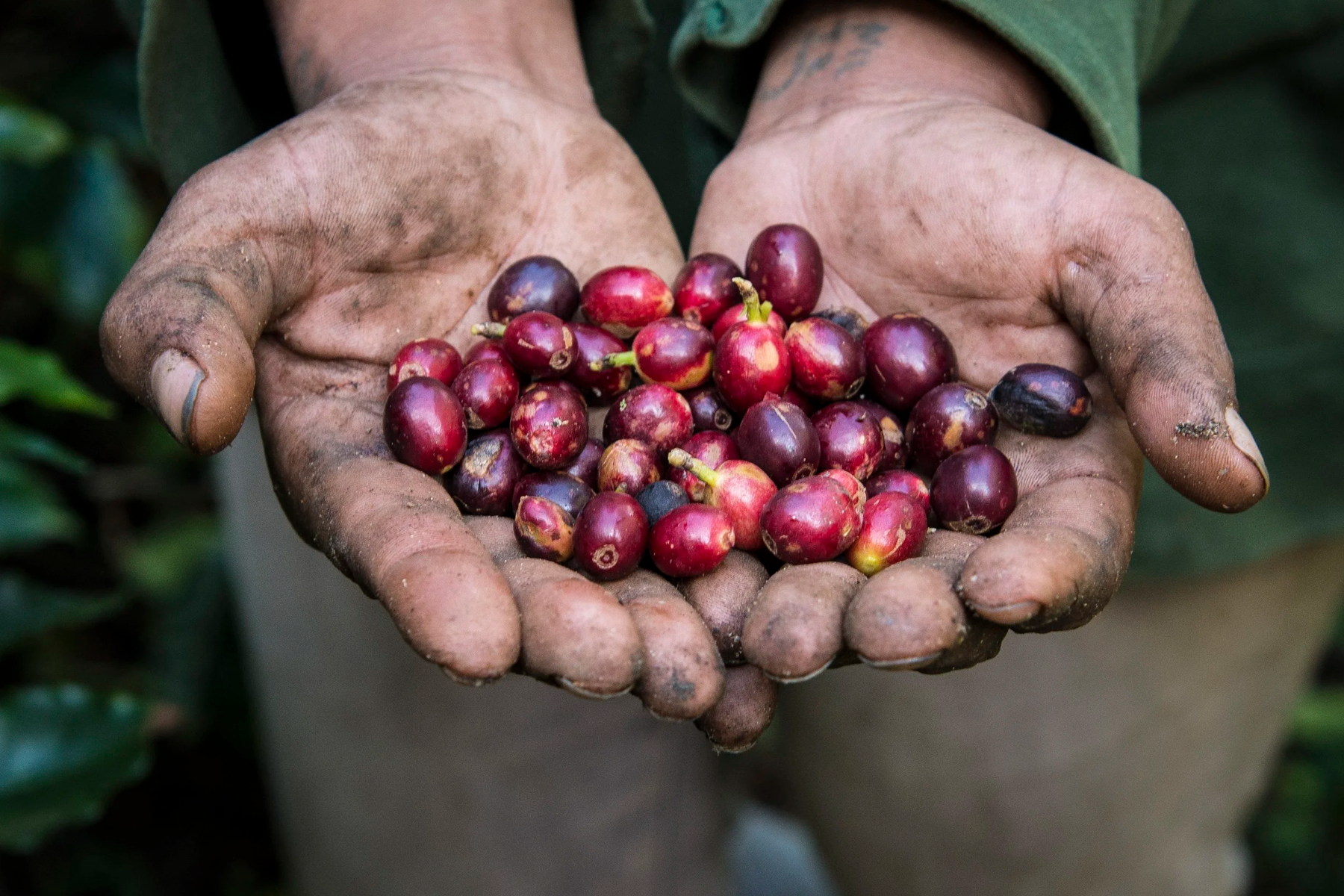
Cherries are picked selectively rather than stripped from the branch, which takes more time and more hands. Processing and drying are done with more care and more risk. Lots are kept separate rather than blended into anonymity, which is less efficient. Producers growing coffee at this standard are paid more than the commodity market pays. And roasting in small batches costs more per kilo than roasting in tonnes.
None of that is a premium for the label. It's the actual cost of doing each step properly.
Why It Matters
Specialty coffee isn't interesting because it gives us another label to put on a bag. It's interesting because coffee doesn't have to taste generic.
It can taste like chocolate and hazelnut. Jasmine and bergamot. Cherry. Caramel. Stone fruit. Citrus. Or something you struggle to name but immediately want to taste again.
That's when coffee stops being simply caffeine. You start paying attention. And attention changes the experience.
That's what we're looking for at SOAK. It's also why we roast the way we do — you can read more about that in our story.
Coffee worth noticing.
Frequently Asked Questions
What is specialty coffee?
Specialty coffee refers to high-quality coffee that is evaluated for its sensory attributes and, increasingly, for the wider value of how and where it was produced. It was traditionally identified by a cupping score of 80 points or more on a 100-point scale.
Is an 84-point coffee better than an 82-point coffee?
Not necessarily, in the way most people mean. A higher score reflects an expert evaluation of quality attributes, but two coffees with similar scores can taste completely different. Preference matters as much as points.
Why is specialty coffee more expensive?
Because every step costs more to do well: selective picking, careful processing, keeping lots separate, paying producers above commodity prices, and roasting in small batches. The price reflects the process, not the label.
What is the SCA Coffee Value Assessment?
It is the Specialty Coffee Association's broader framework for evaluating coffee, considering several dimensions of a coffee rather than reducing it to a single number.
Does specialty coffee have more caffeine?
No. Caffeine content depends mainly on the species, the variety and how the coffee is brewed, not on whether it is classified as specialty.
How long does specialty coffee stay fresh?
Coffee is at its best in the first few weeks after roasting. Look for a roast date on the bag rather than a best-before date — a best-before date tells you almost nothing about freshness.
How should I store specialty coffee at home?
Keep it in a sealed bag away from light, heat and moisture, and grind it as close to brewing as possible. Avoid the freezer for coffee you are drinking day to day.
Photographs from Sítio Santa Rita, Caparaó, Brazil